

Choosing between an eSIM and a physical SIM card for your prepaid mobile plan can feel overwhelming, especially if you have never really thought about the difference before. But here is the good news: it is actually a lot simpler than it sounds, and making the right choice could save you money and a whole lot of hassle.
The world of prepaid mobile plans in Australia has changed a lot recently. With 28 providers now offering eSIM options, this technology is no longer just for tech enthusiasts. It is quickly becoming the new normal, and understanding your options has never been more important.
In this post, we are going to break everything down for you in plain English. We will cover how eSIM and physical SIM cards actually differ, how Australian prepaid plans compare in 2026, and what to look for when picking the right plan for your lifestyle. We will also take a closer look at EzySim and why flexible, no-lock-in prepaid plans are worth your attention. By the end, you will know exactly what to look for and feel confident making your choice.
eSIM vs Physical SIM: What Is Actually the Difference?
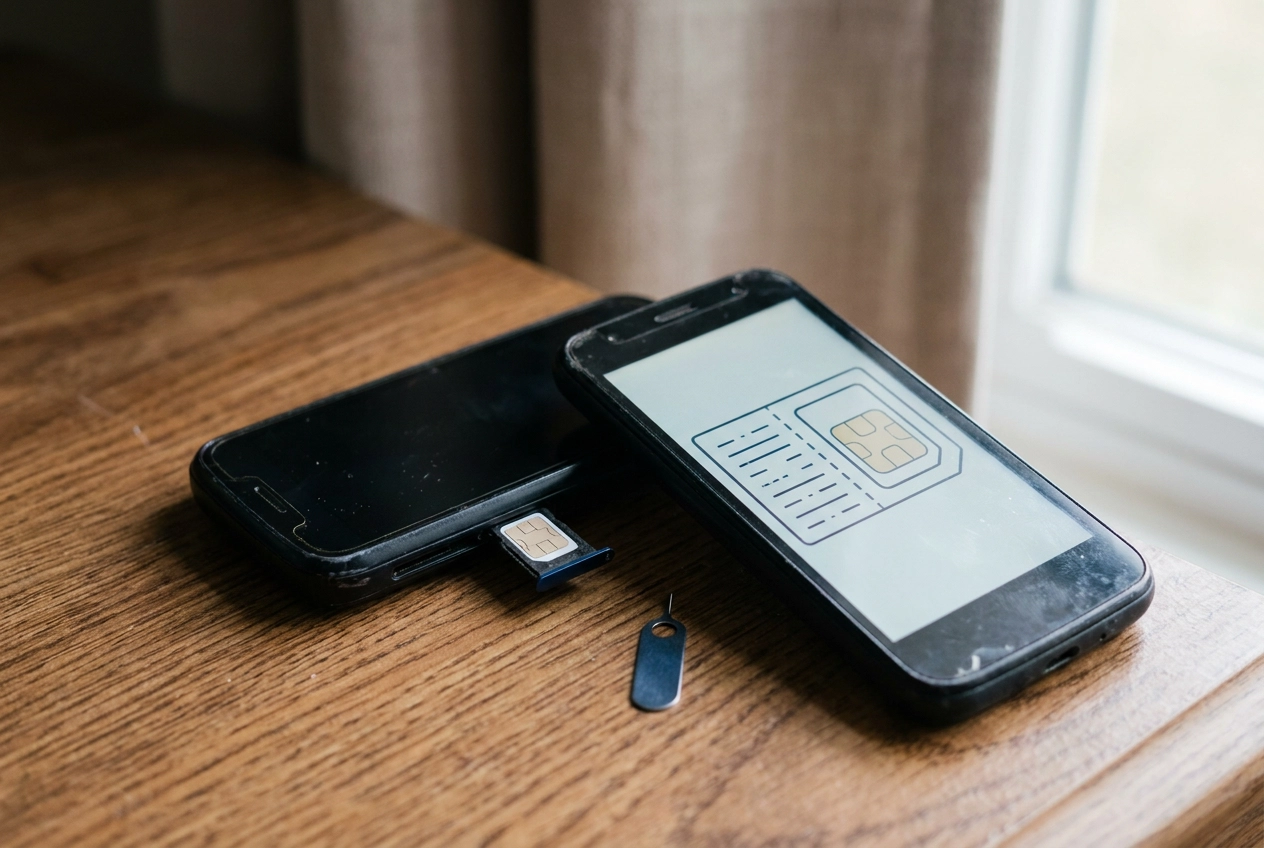
A physical SIM is a small plastic card you insert into your phone’s SIM tray. An eSIM is a digital SIM built directly into your device, activated by scanning a QR code in your phone’s settings. No card, no tray, no waiting for something to arrive in the post.
As of 2026, 28 Australian mobile providers offer eSIM plans, which means this is firmly mainstream technology, not something experimental. If you want a deeper breakdown before deciding, this guide to eSIM vs physical SIM walks through which option suits different situations.
Here is a quick side-by-side to make the choice clearer:
| Feature | Physical SIM | eSIM |
|---|---|---|
| Activation | Insert card | Scan QR code |
| Hardware needed | Yes | No |
| Switch providers | Swap cards | Update digitally |
| Device compatibility | Nearly universal | Modern devices only |
| Second number support | Requires dual SIM slot | Often built in |
One practical advantage of eSIM is flexibility. You can switch providers or add a second number without touching any hardware, which is handy when upgrading your phone or needing a temporary number while travelling.
The catch is compatibility. Most iPhones from the XS onwards and many flagship Android phones support eSIM, but older or budget handsets often do not. If you are unsure, check your settings under “Mobile Data” or “SIM Card” for an “Add eSIM” option.
Physical SIM cards work in virtually every mobile device on the market and remain a perfectly reliable choice if your phone is a few years old.
How eSIM Activation Actually Works
Once you know your device supports eSIM, getting connected is straightforward. Here is exactly how it works:
- Purchase your plan online from a provider like EzySim
- Receive a QR code via email within minutes of completing your order
- Open your phone’s settings, navigate to Mobile Data or SIM Card, and tap “Add eSIM”
- Scan the QR code and your plan activates, usually within a few minutes
That is the entire process. No waiting for a card to arrive in the post, no driving to a store, no fiddling with a SIM tray and a tiny ejector pin. For anyone who has ever been stuck without service waiting on delivery, the difference is significant.
EzySim follows this same activation flow, keeping setup simple enough for first-time users. If you want to understand how eSIM pricing stacks up before committing, this breakdown of the cheapest prepaid eSIM options in Australia walks through real cost-per-day figures across different plans.
One bonus most people do not realise: your phone can store multiple eSIM profiles at once. That means you can keep a personal number and a work number on the same handset without carrying two phones.
Not sure if your phone supports eSIM? Go to Settings and look under Mobile Data or SIM Card. If you see an option labelled “Add eSIM” or “Add Data Plan”, you are good to go. If not, a physical SIM is your path forward.
How Australian Prepaid Plans Compare in 2026
Once you know how to activate a plan, the next step is picking the right one. The Australian prepaid market is competitive, with popular plans running from under $20 to around $50 per month across a range of providers.
Here is a quick snapshot of where things sit in 2026:
| Provider | Data | Cost | Cycle |
|---|---|---|---|
| TPG | 30GB | $15/mo (intro) | 30 days |
| Yomojo | 29GB | $12.45/mo (intro) | 30 days |
| Kogan Mobile | 80GB | $40/mo | 30 days |
| Exetel | 130GB | $40/mo | 30 days |
| EzySim Cool | 60GB | $39 total | 90 days |
Watch the fine print on introductory pricing. TPG’s headline rate of $15 per month looks hard to beat, but it is 50% off for six months only. The standard rate reverts to $30 per month after that. Yomojo follows the same pattern at $12.45 per month dropping to $24.90 after six months. The real cost is higher than the headline figure.
Raw data volume is not the whole story. Exetel offers 130GB for $40 per month, which works out to roughly $0.31 per GB. That wins on sheer capacity. Kogan delivers 80GB for the same $40 on a standard monthly cycle. But neither plan accounts for what happens to data you do not use.
EzySim’s Cool plan does something different. At $39 for 60GB over 90 days, it averages around $13 per month, and you are only renewing four times a year instead of monthly. Add data rollover on eligible plans and unused gigabytes do not simply vanish. If you are tired of constant recharges, it is also worth checking out 365-day prepaid mobile plans in Australia for even longer-term options.
A Look at EzySim’s Prepaid Plan Range
So how does EzySim’s own range actually break down? Here’s a plain-English look at each plan and who it suits best.
Sweet (10GB for $19) is the entry point, designed for lighter users who mostly need data for messaging, social media and the occasional YouTube rabbit hole. You’re not paying for 60GB you’ll never touch.
Beauty (35GB for 30 days) steps things up for moderate users and currently comes with $15 off for the first three months, making it one of the better short-term value offers in this data bracket. Thirty days of solid data without the commitment of a longer cycle.
Cool (60GB for $39 over 90 days) is the standout for anyone who finds monthly renewals a chore. One recharge covers a full quarter, no reminders needed. It’s worth a look at the best prepaid mobile plans in Australia for 2026 if you want context on how this sits against the wider market.
Beast, Ultimate, Legend and Titan are built for heavy users who need serious data headroom and want longer validity to match. The higher up the range you go, the more breathing room you get.
A few things apply across every EzySim plan worth noting:
- Unlimited Australian calls and texts included
- Available as both a physical SIM and eSIM
- Runs on the Vodafone network
- No lock-in contracts
On top of that, data rollover is available on eligible plans, so unused data carries into your next cycle rather than disappearing. Most providers don’t lead with this feature, making it a quiet but genuinely useful perk for anyone whose usage varies week to week.
Why a 90-Day Prepaid Plan Is Worth Considering
The Cool plan highlights something worth zooming out on: the plan cycle itself matters just as much as the data amount.
Most Australian prepaid plans run on 28 or 30-day cycles, which adds up to 12 or 13 renewals a year. That means 12 or 13 dates to track, and 12 or 13 chances to accidentally miss a top-up and lose your number.
A 90-day plan cuts that to just four renewals annually. For travellers, students, or anyone whose usage fluctuates, that flexibility is genuinely useful. You are not scrambling to renew mid-trip or mid-semester, and you are not paying for a plan that resets before you have had a chance to use it properly.
On price, EzySim’s Cool plan works out to roughly $13 per month across its 90-day window. That figure holds steady regardless of how long you have been a customer. Many 30-day plans advertise a lower headline rate that reverts to a higher standard price after an introductory period ends, so the real ongoing comparison often favours the 90-day structure.
Extended plan durations remain an underutilised feature in the Australian prepaid market. Most providers still default to the standard monthly cycle, which makes the Cool plan a genuine point of difference rather than a minor variation.
If you are still weighing up which plan structure suits your situation, the Prepaid Mobile Plans in Australia: How to Choose the Right One guide breaks it down clearly without the fluff.
No Lock-In Contracts: Why Flexibility Matters in Prepaid
Longer plan cycles reduce renewal admin, but plan duration alone is not the whole flexibility story.
Prepaid plans avoid 12 or 24-month contracts by design, but not every provider makes it genuinely easy to switch or change plans between cycles. Some bundle their best pricing to retention mechanics that quietly work against you.
The clearest example is promotional pricing. Some providers launch with discounted rates that revert to a higher standard price after six months. That $15 headline rate looks sharp until it doubles once the introductory window closes. If you are on a no-lock-in plan but your budget was built around a price that no longer exists, the flexibility is mostly theoretical.
EzySim’s pricing does not follow that pattern. There is no introductory rate that expires and no standard rate waiting to kick in later. What you see is what you pay, which makes it easier to budget your mobile spend without re-evaluating every six months. If your circumstances change, you can simply move to a different plan at your next renewal, no penalties, no friction.
That consistency becomes even more useful when you pair it with eSIM availability and data rollover on eligible plans. eSIM means switching or activating a new plan takes minutes, not days. Rollover means unused data carries forward rather than disappearing. Together, these three features create a practical flexibility stack: predictable pricing, fast switching, and data that works harder for you.
If you also want to include international calling, EzySim’s $75 plan with 200GB data and 1,000 international minutes extends that same no-lock-in approach to heavier users with overseas connections.

How to Choose the Right Prepaid Plan for Your Situation
Knowing what flexibility looks like is one thing; knowing which plan actually fits your life is another. Here’s a quick way to work it out.
Light users (under 10GB/month): EzySim’s Sweet plan, 10GB for $19 with unlimited calls and texts, covers most casual users comfortably. If you’re mostly on Wi-Fi and just need data for messaging and the occasional scroll, there’s no reason to pay for more.
Moderate users (15 to 35GB/month): EzySim’s Beauty plan (35GB for 30 days) is worth a close look, especially with the current $15 off for three months. Just make sure you know the full price after any promotional period ends. If you’re comparing other 30GB options, check what you’ll actually pay month four onwards, not just month one.
Heavy users (50GB or more): Compare EzySim’s Cool (60GB over 90 days) or Beast plans against higher-capacity alternatives. Raw data volume matters, but also factor in plan duration and whether unused data rolls over.
eSIM users: Check your device is compatible before purchasing. Once confirmed, look for providers offering straightforward QR code activation and accessible support if setup hits a snag.
Travellers and irregular users: A 90-day plan with data rollover protects you from paying for data you don’t use. Monthly plans with no carry-forward can quietly waste your money during quieter periods.
The rule that applies to everyone: always calculate the real per-month cost after any introductory discount expires. A headline price that halves after six months isn’t the deal it appears to be. For a full breakdown of how to spot that gap, this guide on what cheap mobile plans are actually costing you is a practical next read.
The Bottom Line on Prepaid Mobile Plans and eSIM in Australia
Once you’ve worked through which plan suits your usage, the bigger picture is worth keeping in mind.
eSIM is now mainstream in Australia, with 28 providers offering it as a standard option. For compatible devices, it means faster activation and no waiting on a physical card to arrive.
When comparing any prepaid plan, the headline data figure is only part of the story. Plan duration, rollover availability, post-promotional pricing and network coverage all shape the real-world value you get each month. A plan that looks cheap upfront can cost significantly more once an introductory discount expires.
EzySim brings together several features that are worth having in the same place: no lock-in contracts, 90-day plan options, data rollover on eligible plans, and both eSIM and physical SIM availability. That combination makes it a strong contender to include in any shortlist. If you want more guidance on formats before committing, this guide to choosing a prepaid SIM card in Australia walks through your options by network, plan length and price.
When you’re ready, EzySim’s full plan range is available online with simple activation and no contracts to lock you in.
Conclusion
Choosing between eSIM and a physical SIM comes down to your device, your lifestyle and how quickly you need to get connected. Beyond the format, the right prepaid plan should offer genuine flexibility: no lock-in contracts, realistic plan durations and transparent pricing that holds up beyond any introductory period.
The key takeaways are straightforward. eSIM is now a mainstream option in Australia. Longer plans like 90-day options often deliver better value than rolling monthly costs. And data rollover can stretch your spend further when it is included.
EzySim brings all of these features together in one place, with both eSIM and physical SIM options available online.
If you are ready to find a plan that fits your actual usage, browse EzySim’s full prepaid range today and activate in minutes, with no contracts and no complications.